فاس نيوز ميديا جريدة الكترونية جهوية تعنى بشؤون و أخبار جهة فاس مكناس – متجددة على مدار الساعة

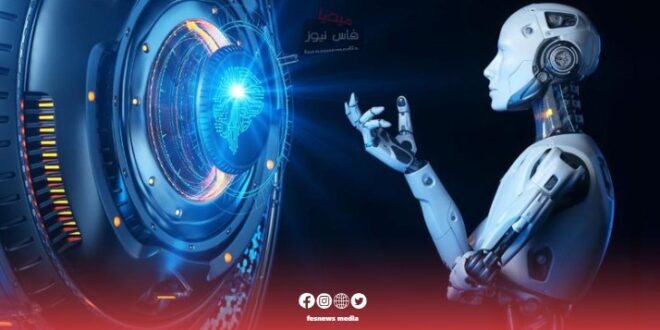
Morocco seeks to strengthen its position in the field of scientific and technological research, viewing it as a fundamental driver of economic and social development. However, the current reality reveals a web of complex challenges that demand a comprehensive approach to revitalize this vital sector.
Despite the presence of significant scientific expertise both within the country and abroad, the level of investment allocated to scientific research remains limited. Spending in this area accounts for only 0.8% of the Gross Domestic Product (GDP), a figure well below the global average. Many experts believe that insufficient funding is one of the main obstacles preventing real progress in scientific research. This issue is compounded by weak connections between research centers and universities on one hand, and the economic sector on the other.
The Ministry of Higher Education, Scientific Research, and Innovation has repeatedly called for the establishment of a new research governance system. This system would prioritize projects with economic and social impact, promote partnerships between the public and private sectors, and focus on key areas such as artificial intelligence, renewable energy, and smart agriculture.
In the same context, national reports have highlighted the country’s low scientific output in terms of publications and patents, especially when compared to countries with similar resources. This situation calls for a revision of research performance evaluation methods and greater incentives—both financial and moral—for researchers.
The government aims to launch new initiatives such as the creation of innovation support funds, the establishment of specialized technological hubs across different regions, and the development of partnerships with the Moroccan diaspora, particularly experts working in international research centers.
Amid rapid digital transformation, enhancing science and technology education in Moroccan universities stands as a major challenge. This requires revising pedagogical programs to align with labor market needs and encouraging students to pursue research and innovation from the early stages of their academic journey.
Observers believe that achieving a qualitative leap in scientific research requires a clear political will, a strategic investment in human capital, and the promotion of a culture of scientific initiative within society—so that knowledge becomes a true engine of development rather than mere rhetoric in official speeches.
Source: Fes News Media