Fes News Media Morocco & Fez-Meknes Independent English News Portal — 24/7 Coverage

- RABAT (FesNews Media) — Morocco’s Minister of National Territory Planning, Urbanism, Housing, and City Policy, Samir Belfkih, has dashed expectations among prop...
- Addressing lawmakers on the House of Representatives’ Interior, Local Authorities, Housing, and City Policy Committee, Belfkih delivered a candid assessment in ...
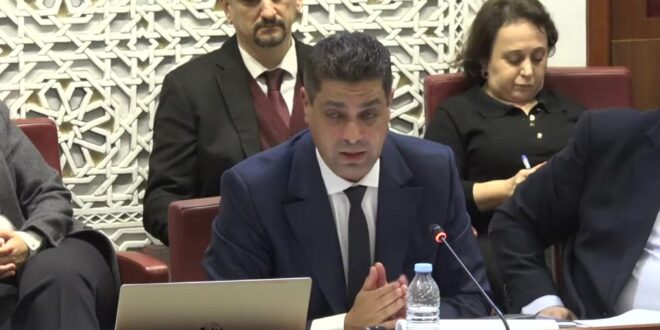
RABAT (FesNews Media) — Morocco’s Minister of National Territory Planning, Urbanism, Housing, and City Policy, Samir Belfkih, has dashed expectations among property owners hoping for a new nationwide amnesty window to legalize unauthorized construction alterations, firmly stating before Parliament that the government cannot commit to reopening blanket building regularization permits (permis de régularisation) lest urban planning violations turn into a permanent norm.
Addressing lawmakers on the House of Representatives’ Interior, Local Authorities, Housing, and City Policy Committee, Belfkih delivered a candid assessment in response to cross-party appeals calling for an extension of Decree 2.18.475 regularization deadlines. “In all honesty, I cannot make a commitment on regularization permits,” the minister told MPs, warning that repeatedly reopening exceptional legalization windows would create perverse incentives whereby builders deliberately bypass municipal blueprints on the assumption that a state amnesty will arrive every two or three years.
Protecting Urban Planning Credibility Against Repeat Leniency
Belfkih’s stance underscores a decisive policy shift toward strict enforcement under Law 66.12 governing building oversight and urban planning infractions. Ministry officials argue that cyclical amnesties undermine the legal authority of urban master plans, penalize law-abiding citizens and licensed architects who adhere to municipal setbacks and height limits, and encourage speculative unauthorized floors across peri-urban neighborhoods.
Beyond legal equity, unchecked structural modifications pose acute engineering and safety hazards while straining municipal water, electricity, and sanitation grids calibrated to approved population densities. Following deadly structural collapses in historic and high-density districts, the ministry has prioritized preventive compliance and structural auditing over retroactive paperwork legalization.
Targeted Exception Under Study for Stranded Industrial Expansions
While closing the door on a general residential regularization wave, Belfkih acknowledged a pressing economic bottleneck affecting productive enterprises in specific industrial zones. Citing real-world cases in Berrechid, the minister noted that several manufacturers who added storage hangars or workshop extensions within their industrial plots to meet production demand now find their entire facilities administratively frozen, blocking operating permits and bank financing.
To prevent bureaucratic rigidity from paralyzing job-creating factories, Belfkih confirmed that his department is actively exploring a narrowly tailored mechanism. “There is ongoing reflection—without a direct commitment to relaunching general regularization—and we will endeavor to put forward a targeted proposal in this direction,” he stated, signaling a strictly ring-fenced solution for compliant industrial and productive investments.
Partial Occupancy Permits and Broader 2027 Urbanism Overhaul
At the same time, Belfkih drew a clear distinction between deliberate code violators and low-income households who hold valid building permits but lack the financial means to finish every floor of their homes simultaneously. He announced that technical departments have been instructed to examine introducing partial occupancy permits (permis d’habiter partiels) so families can legally inhabit and connect utilities to completed ground floors built in full accordance with approved architectural plans.
This calibrated approach forms part of a sweeping 2027 legislative package that includes reforming Urban Planning Law 12.90 to ease rural housing permits, operationalizing 12 Regional Agencies for Urbanism and Housing under Law 64.23, and conducting a joint technical audit of the Rokhas digital licensing portal alongside the Ministry of the Interior, as detailed in our comprehensive report on Minister Samir Belfkih’s 2027 urbanism and housing roadmap.