فاس نيوز ميديا جريدة الكترونية جهوية تعنى بشؤون و أخبار جهة فاس مكناس – متجددة على مدار الساعة

As part of implementing the Direct Social Support Program and strengthening its social impact, the government announced that social caseworkers affiliated with the territorial representations of the National Agency for Social Support have begun closely monitoring the situation of beneficiary families. The aim is to provide nearby support, reduce vulnerability, and help households exit poverty in a sustainable way.
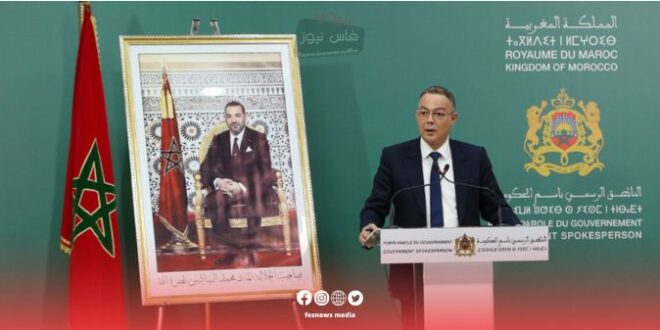
Fouzi Lekjaa, Minister Delegate in charge of the Budget, said the program “is no longer merely financial aid,” but is moving toward becoming a lever for sustainable development for vulnerable families, highlighting the role played by the agency’s territorial units in tracking beneficiaries’ situations.
According to the data presented by the government official, the program falls within the second phase of Morocco’s universal social protection reform, in implementation of Royal guidelines and the provisions of Framework Law No. 09.21. It seeks to support vulnerable and poor groups and improve their living conditions, while preventing risks linked to childhood, school dropout, old age, and disability, and enabling large segments not covered by family allowance schemes to benefit from different forms of support.
Lekjaa explained that the agency is adopting a proximity-based policy—both human and territorial—to ensure a tangible social impact. This includes accompanying beneficiary families on issues related to children’s schooling, maternal and child health, and designing pathways for economic inclusion by strengthening capacities and skills and reducing barriers to professional and social integration.
On the organizational side, the minister noted that the first territorial representations were launched as a pilot model that will be evaluated before being generalized. This comes alongside establishing a system to monitor the effectiveness of direct support and measure its impact on human development indicators at the territorial level, allowing support mechanisms to be improved in a way that takes into account the specificities of each area and the needs of each family.
Components of the Support Program
The program includes:
- Child-related allowances for families with children under 21 years old (up to a maximum of six children), with a monthly amount that varies depending on the child’s age and schooling status, plus complementary support related to disability and paternal orphanhood.
- A grant for the first and second births (2,000 dirhams for the first and 1,000 dirhams for the second).
- A back-to-school allowance paid in September for enrolled schoolchildren.
- Flat-rate allowances for families without children or whose children have exceeded 21 years, especially households including elderly persons in vulnerable situations, as well as special support for orphaned and abandoned children living in social care institutions, to help ensure their social and educational follow-up.
Source: Fes News Media