فاس نيوز ميديا جريدة الكترونية جهوية تعنى بشؤون و أخبار جهة فاس مكناس – متجددة على مدار الساعة


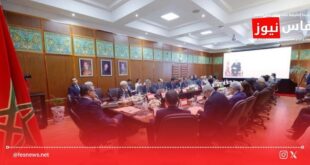
Rabat – On Thursday, October 9, 2025, the Moroccan Government Council approved a draft decree to establish the Industrial Acceleration Zone in Fes Bensouda, as part of efforts to boost economic and industrial development in the region. This strategic project is part of expanding the country’s industrial base and consolidating Fes’s position as an industrial hub blending rich cultural heritage with modern technology.
The project was presented by the Minister of Industry and Trade, Riad Mezzour, during the weekly council meeting in Rabat. He emphasized that this zone will be a comprehensive platform hosting a variety of vital industrial sectors, including automotive manufacturing, renewable energy, and aircraft equipment. Government spokesperson Mustapha Baytas stressed that the zone aims to support national production chains and enhance the competitiveness of the local economy.
Project Significance and Economic Impact
The Fes Bensouda zone is expected to generate over 3,000 direct jobs, in addition to indirect opportunities that will stimulate the local economic cycle. This project aligns with the national strategy to develop industry and attract both domestic and international investments, while maintaining Fes’s historical identity.
This zone reflects Morocco’s ambition to build an advanced industrial infrastructure combining modern industries with traditional crafts, especially those linked to the city’s cultural and economic heritage. It also aligns with the new developmental model that focuses on decentralization and sustainable growth.
Targeted Industrial Sectors
According to the official decree, the Industrial Acceleration Zone will cover multiple sectors, notably:
- Automotive industries: manufacturing vehicles and components to boost export capacities.
- Renewable energy: development of solar and wind energy equipment in support of sustainability goals.
- Aircraft equipment: production of spare parts and advanced aviation maintenance services.
- Electrical and electronic industries: manufacturing advanced machinery and devices.
- Chemical and pharmaceutical industries: promoting innovation in material sciences.
- Textile and leather: integrating traditional crafts with modern technologies.
- Building materials: producing key infrastructure components.
- Related services: logistics and training to ensure sustainable operations.
Next Steps and Expectations
The establishment of the Fes Bensouda zone marks a key step in developing the economy of the Fes-Meknes region. Coordination will continue between government bodies and investors to implement the project based on its objectives, prioritizing sustainability and inclusive development.
Local and national stakeholders are closely monitoring the project’s progress, which is expected to diversify the economy, boost employment—especially among youth—and improve social welfare in the region.