فاس نيوز ميديا جريدة الكترونية جهوية تعنى بشؤون و أخبار جهة فاس مكناس – متجددة على مدار الساعة

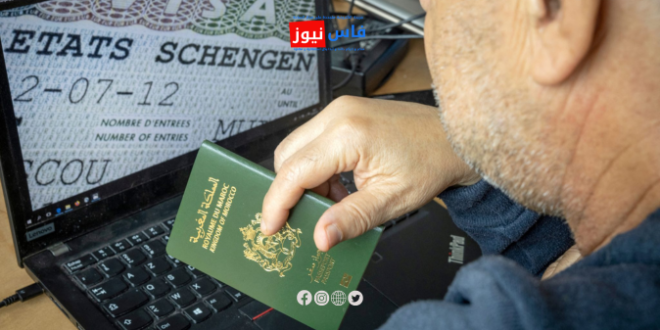
Rabat, August 17, 2025 – Travelers around the world, especially from Morocco, are closely watching for any updates regarding the Schengen visa, a permit that opens the doors to 27 European countries. With 2026 approaching, some potential changes and proposed reforms may impact the visa application process, raising questions about which categories of applicants might have better chances of obtaining it.
What’s New in 2026?
Recent developments in European Union policies point toward the introduction of a fully digital visa system. This radical change aims to simplify the process and reduce reliance on paper documents. The new system, known as the “E-Visa” or “Digital Schengen System,” is expected to be piloted in some countries before a wider rollout.
- Full Digitization: Goodbye Paper Files
A key feature of this change is the ability to submit visa applications entirely online. Travelers will no longer need to book appointments to submit physical documents; instead, they can upload everything on a unified platform. This system will help applicants from remote areas, reduce human errors, and speed up processing times. - European Travel Information and Authorization System (ETIAS)
While not entirely new in 2026, ETIAS will become more established and influential. This system applies to citizens of countries that don’t require a visa to enter the Schengen area, such as the United States, Canada, and Japan. These travelers will have to register online and obtain electronic travel authorization before their trip. Although this does not directly affect Moroccans, it reflects the EU’s tightening of border security measures. - Enhanced Security Cooperation and Information Sharing
In 2026, information sharing among Schengen member states is expected to improve, especially regarding biometric data (fingerprints and facial images). This aims to combat illegal immigration and strengthen security, which may lead to stricter scrutiny of applicants flagged for security concerns.
Who Will Get the Visa Easily in 2026?
The basic conditions for obtaining a Schengen visa remain largely unchanged, but certain factors give some applicants better chances than others:
- Those with Stable and Regular Income
Applicants with steady jobs and a fixed monthly income, supported by sufficient bank statements, are better positioned. The goal is to prove financial capability to cover travel and accommodation expenses and convince consulates that applicants won’t become a burden on the host country. - Applicants with a Good Travel History
Travelers who previously obtained Schengen or other advanced country visas (Canada, USA, UK, etc.) and respected the terms of their stay have higher chances. A good travel record gives applicants greater credibility and trust with consulates. - Individuals with Strong Ties to Their Home Country
Proof of strong connections to the home country — such as family, property, or business — is among the most important criteria. This reassures consulates that the applicant has reasons to return after their visa expires. - Travel Requests with a Convincing Purpose
Applications for study, medical treatment, or attending international conferences generally have higher approval chances than purely tourist travel. A justified reason supported by official documents (e.g., university invitation or medical certificate) greatly enhances the application’s credibility. - Applications Submitted Through Authorized Visa Agencies
Using services of consulate-approved agencies (such as TLScontact or VFS Global) ensures that the application is complete and meets all requirements, reducing the chance of refusal due to missing documents.
Important Tips for Applicants:
- Plan Ahead: Submit the visa application well in advance—up to six months before the travel date.
- Honesty and Transparency: Provide accurate and truthful information; inconsistencies can lead to rejection.
- Verify Documents: Ensure all required documents — from passport to health insurance and accommodation confirmations — are valid and complete.
In conclusion, despite potential challenges, the overall move toward digitization aims to facilitate procedures. Obtaining the visa will still depend on meeting core requirements and submitting a strong, convincing application, thus increasing the chances to travel and enjoy the beauty of Europe.