فاس نيوز ميديا جريدة الكترونية جهوية تعنى بشؤون و أخبار جهة فاس مكناس – متجددة على مدار الساعة

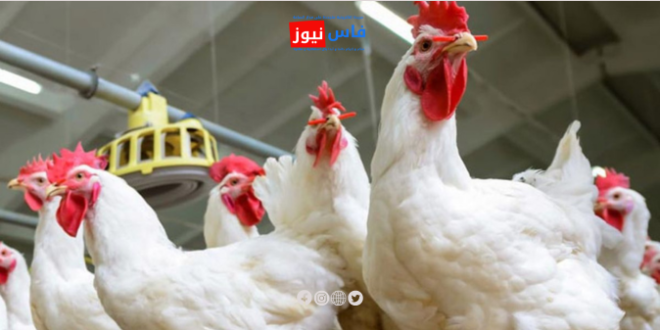
RABAT – Moroccan markets are currently experiencing a surge in poultry meat prices, with the price per kilogram of chicken reaching approximately 25 Moroccan dirhams. This has sparked widespread discontent among Moroccan families, especially as this increase coincides with the summer season, which typically sees a rise in demand for white meat.
This price hike further adds to the financial burdens on households that rely heavily on chicken as a primary source of protein in their daily diet, amid the difficult economic circumstances faced by many citizens.
According to Saeed Najah, an actor in the poultry sector, the main reason behind this increase is the continuous rise in production costs, pointing out that the price of chicks alone has reached 7.5 dirhams in farms, which directly affects the final cost borne by the consumer.
Najah explained that “controlling prices has become very complex in light of ongoing challenges related to poultry feed and animal health, in addition to a clear imbalance between supply and demand, where supply does not keep pace with the increasing demand in the market.”
He added that “the limited ability to rapidly increase production, due to environmental and technical factors related to farms, makes it difficult to meet all the needs of the local market at present.”
The issue is not limited to production factors, as Najah revealed the existence of “speculation in the market by some traders who exploit economic conditions and high demand to raise prices unjustifiably, further increasing the suffering of consumers.”
Sector stakeholders have called for the necessity of intervention by “the competent authorities through tightening control and activating price monitoring mechanisms from source to points of sale, to ensure market transparency and protect the purchasing power of citizens.”
On their part, Moroccan families are calling for effective and urgent solutions aimed at stabilizing the prices of basic foodstuffs, especially poultry, which forms an essential part of the daily meals for Moroccans.
These demands come at a time when economic challenges are escalating for consumers, amid a general rise in the prices of goods and services, making control over chicken prices essential for maintaining food security and stability in the national market.
Citizens continue to await rapid government intervention to address this crisis before it worsens, especially with the approach of the holy month of Ramadan, which typically sees a significant increase in demand for various food products.