Fes News Media Morocco & Fez-Meknes Independent English News Portal — 24/7 Coverage

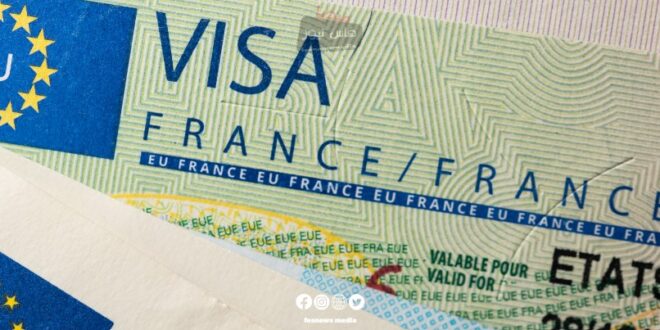
- A “visit invitation” is a vital tool for Moroccan citizens wishing to travel abroad for tourism, professional, or academic purposes
- It helps increase the chances of obtaining a visa and strengthens international ties
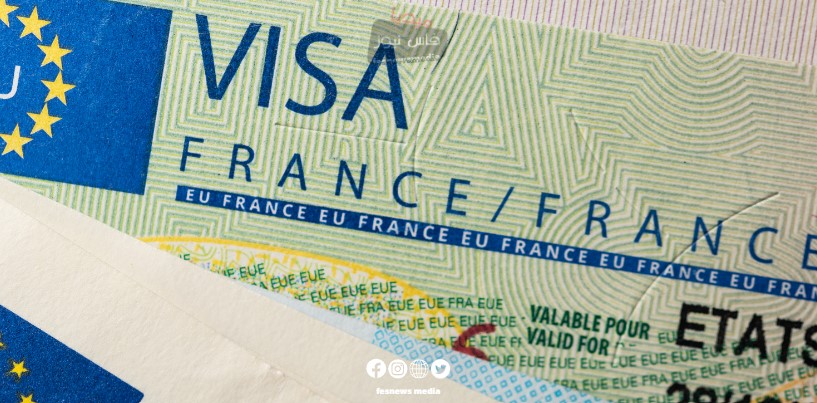
A “visit invitation” is a vital tool for Moroccan citizens wishing to travel abroad for tourism, professional, or academic purposes. It helps increase the chances of obtaining a visa and strengthens international ties. This document, issued by an individual or institution in a foreign country, confirms that the visit is planned and supported, which helps ease concerns embassies might have about the traveler’s intentions. With increasing demand for visas in Morocco—particularly for EU countries and the United States—the visit invitation has become a key element in many visa applications.
The invitation includes detailed information such as the invitee’s name, the purpose of the visit, duration of stay, and commitments made by the host party, which may include covering accommodation or travel expenses. According to the guidelines of the French embassy in Morocco (2024), an invitation letter (attestation d’accueil) is essential for Schengen visa applications involving family visits and must be validated by French municipal authorities. Countries like Germany and Spain also require similar documents to clarify the visitor’s purpose, whether it is touristic or professional. A 2023 report by the European Studies Center noted that 60% of visa rejections in Morocco were due to missing support documents such as an invitation letter, underlining its importance.
How Can Moroccans Benefit From a Visit Invitation?
- Improved Visa Approval Chances:
An invitation shows that the traveler is connected to a trusted individual or institution abroad, which reduces security or financial concerns of the embassy. For instance, professional invitations to attend trade events like SIAL Paris demonstrate a clear economic purpose, which strengthens business visa applications. - Reduced Financial Burden:
Some hosts may commit to covering travel or accommodation expenses, which can reduce the financial proof required from the applicant. - Access to Academic and Professional Opportunities:
Visit invitations are key to participating in international exchange programs like Erasmus+, which benefited over 2,000 Moroccan students between 2019 and 2023, according to the European Commission. These opportunities help build skills and expand professional networks, offering a competitive edge in the Moroccan job market.
How to Get a Visit Invitation:
Moroccans can obtain a visit invitation by contacting individuals or institutions abroad.
- For family visits, relatives or friends must provide a certified letter.
- For professional or academic visits, companies or universities issue official invitations.
For example, Moroccan-foreign chambers of commerce help arrange invitations to attend international events. However, challenges remain: embassies may reject vague or unverified invitations, and preparing a visa file—which may cost up to 800 MAD for a Schengen visa—can be financially burdensome.
To make the most of a visit invitation, applicants should ensure the document meets the specific requirements of the embassy, and attach supporting evidence of ties to Morocco—such as employment contracts or property ownership—to avoid rejection. Consulting certified visa advisors in Rabat or Casablanca is also recommended to ensure the file is complete.
In conclusion, a visit invitation can be a powerful key to unlocking international travel and opportunity, provided the process is handled with care, planning, and compliance with administrative standards.
Source: Fes News Media