Fes News Media Morocco & Fez-Meknes Independent English News Portal — 24/7 Coverage


- Morocco – Morocco’s Ambassador and Permanent Representative to the United Nations, Omar Hilale, said that Security Council Resolution 2797 marked a significant ...
- Speaking before the Fourth Committee of the United Nations General Assembly in New York on Tuesday, Hilale explained that, in his view, the resolution had usher...
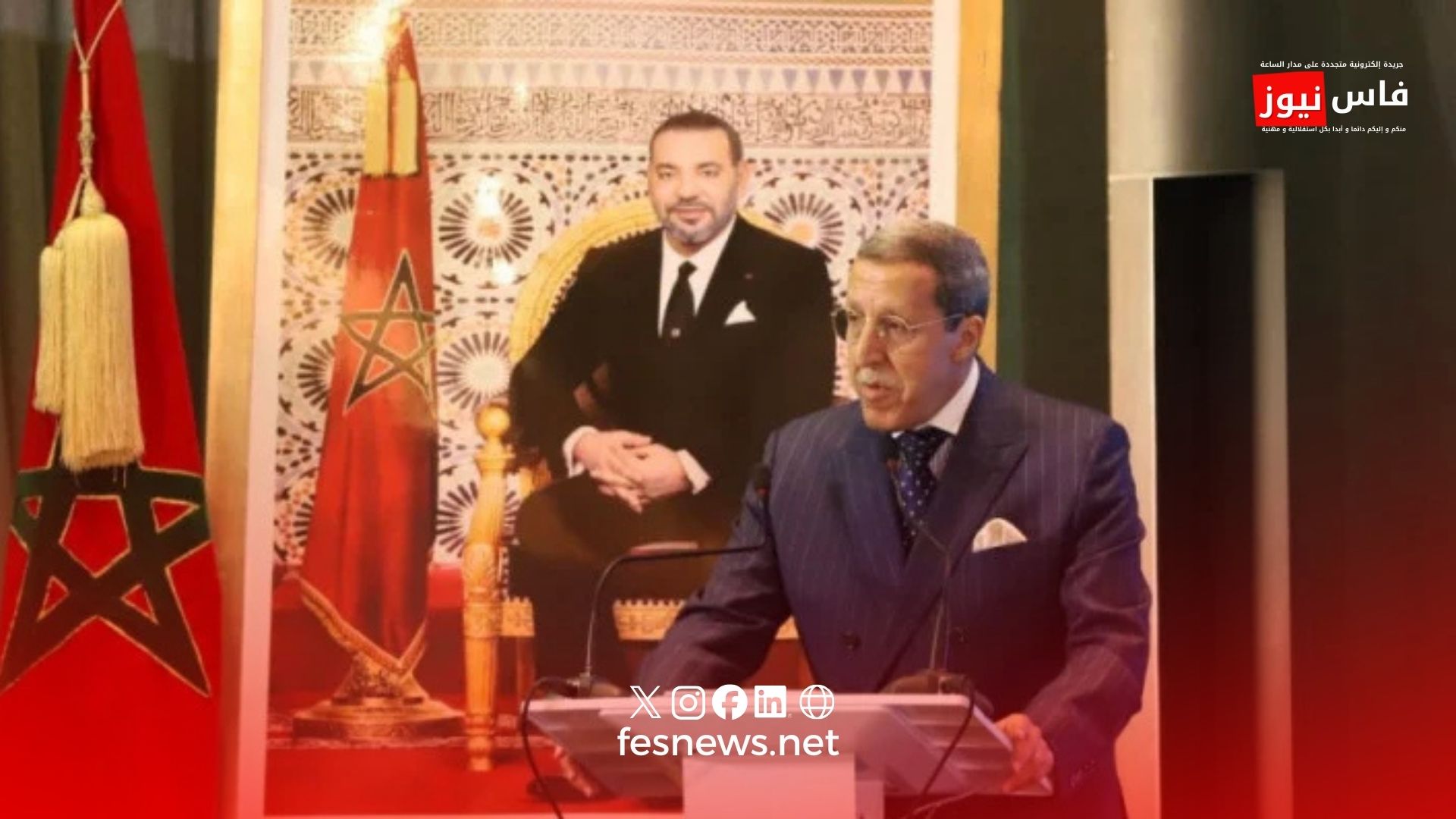
Morocco – Morocco’s Ambassador and Permanent Representative to the United Nations, Omar Hilale, said that Security Council Resolution 2797 marked a significant turning point in the Moroccan Sahara issue by shifting the approach from managing the conflict to seeking a definitive settlement, while establishing Morocco’s autonomy initiative as the basis for political negotiations.
Speaking before the Fourth Committee of the United Nations General Assembly in New York on Tuesday, Hilale explained that, in his view, the resolution had ushered in a new phase in addressing the regional dispute by placing the autonomy proposal at the centre of the political process and reaffirming the framework of Moroccan sovereignty in discussions about the future of the southern provinces.
The Moroccan diplomat added that the resolution had reaffirmed the responsibility of the four parties concerned — Morocco, Algeria, Mauritania and the Polisario Front — to engage in good faith and without preconditions in efforts to reach a definitive political solution. He also said that the momentum following the adoption of the resolution had led to direct meetings between the parties in Washington and Madrid, during which Morocco presented a detailed autonomy proposal addressing the powers of the executive, legislative and judicial bodies.
Hilale stressed that the current phase required political commitments to be translated into practical steps, the ceasefire to be respected and serious engagement in negotiations. He said that the humanitarian situation persisting for decades in the Tindouf camps called for sustainable solutions for the benefit of the population, in accordance with their free and voluntary choices, including voluntary return, resettlement in a third country or integration into the host country.
Clarifying Morocco’s position on several concepts related to the dispute, Hilale said that Resolution 2797 strengthened, according to the Kingdom’s interpretation, the autonomy approach within the framework of Moroccan sovereignty. He referred to the historical ties between Morocco’s sultans and Saharan tribes and cited the International Court of Justice’s ruling concerning the existence of legal ties, including allegiance, before Spanish colonisation.
The Moroccan ambassador also criticised continued advocacy for a referendum, arguing that Security Council resolutions adopted over recent years had moved towards seeking a realistic and mutually acceptable political solution, rather than returning to earlier proposals that had failed to resolve the dispute.
In this context, Hilale highlighted the importance of representation by locally elected officials in the southern provinces, noting that, from Morocco’s perspective, officials elected through electoral processes represented the local population and its elected institutions.
The Moroccan diplomat concluded that the political momentum surrounding the UN resolution and recent negotiations offered, in his assessment, prospects for settling the dispute over the Moroccan Sahara. Such progress could positively affect the future of regional cooperation, revive the Arab Maghreb Union and strengthen partnerships among the countries of the Maghreb, the Sahel region and the African Atlantic space.
Sahara marocain : Omar Hilale affirme que la résolution 2797 fait passer le dossier de la gestion du conflit à la recherche d’un règlement définitif
Maroc – L’ambassadeur et représentant permanent du Maroc auprès des Nations unies, Omar Hilale, a affirmé que la résolution 2797 du Conseil de sécurité constitue un tournant important dans le dossier du Sahara marocain, en faisant évoluer l’approche de la gestion du conflit vers la recherche d’un règlement définitif, tout en consacrant l’initiative marocaine d’autonomie comme base des négociations politiques.
Lors de son intervention devant la quatrième commission de l’Assemblée générale des Nations unies, mardi à New York, Omar Hilale a expliqué que cette résolution avait, selon lui, ouvert une nouvelle étape dans le traitement de ce différend régional, en plaçant la proposition d’autonomie au cœur du processus politique et en confirmant le cadre de la souveraineté marocaine dans les discussions sur l’avenir des provinces du Sud.
Le diplomate marocain a ajouté que la résolution réaffirmait la responsabilité des quatre parties concernées — le Maroc, l’Algérie, la Mauritanie et le Front Polisario — de s’engager de bonne foi et sans conditions préalables dans la recherche d’une solution politique définitive. Il a également indiqué que la dynamique ayant suivi l’adoption de la résolution avait donné lieu à des rencontres directes entre les parties à Washington et à Madrid, au cours desquelles le Maroc a présenté une proposition détaillée d’autonomie portant notamment sur les compétences des organes exécutifs, législatifs et judiciaires.
Omar Hilale a souligné que la phase actuelle exigeait de traduire les engagements politiques en mesures concrètes, de respecter le cessez-le-feu et de s’engager sérieusement dans les négociations. Il a estimé que la situation humanitaire qui perdure depuis des décennies dans les camps de Tindouf nécessitait des solutions durables au bénéfice des populations, conformément à leurs choix libres et volontaires, notamment le retour volontaire, la réinstallation dans un pays tiers ou l’intégration dans le pays d’accueil.
En clarifiant la position du Maroc sur plusieurs notions liées au différend, Omar Hilale a estimé que la résolution 2797 renforçait, selon l’interprétation du Royaume, l’approche de l’autonomie dans le cadre de la souveraineté marocaine. Il a évoqué les liens historiques qui unissaient les sultans du Maroc aux tribus sahariennes et rappelé la décision de la Cour internationale de Justice relative à l’existence de liens juridiques, notamment l’allégeance, avant la colonisation espagnole.
L’ambassadeur marocain a également critiqué la poursuite de la promotion de l’option référendaire, estimant que les résolutions du Conseil de sécurité adoptées au cours des dernières années s’étaient orientées vers la recherche d’une solution politique réaliste et mutuellement acceptable, plutôt que vers le retour à des propositions antérieures qui n’avaient pas permis de régler le différend.
Dans le même contexte, Omar Hilale a souligné l’importance de la représentativité des élus locaux dans les provinces du Sud, affirmant que, du point de vue du Maroc, les élus issus des consultations électorales représentaient les populations locales et leurs institutions élues.
Le diplomate marocain a conclu que la dynamique politique liée à la résolution des Nations unies et aux récentes négociations ouvrait, selon son appréciation, des perspectives de règlement du différend autour du Sahara marocain. Cette évolution pourrait avoir des retombées positives sur la coopération régionale, la relance de l’Union du Maghreb arabe et le renforcement des partenariats entre les pays du Maghreb, la région du Sahel et l’espace atlantique africain.
Source : Fès News Media